
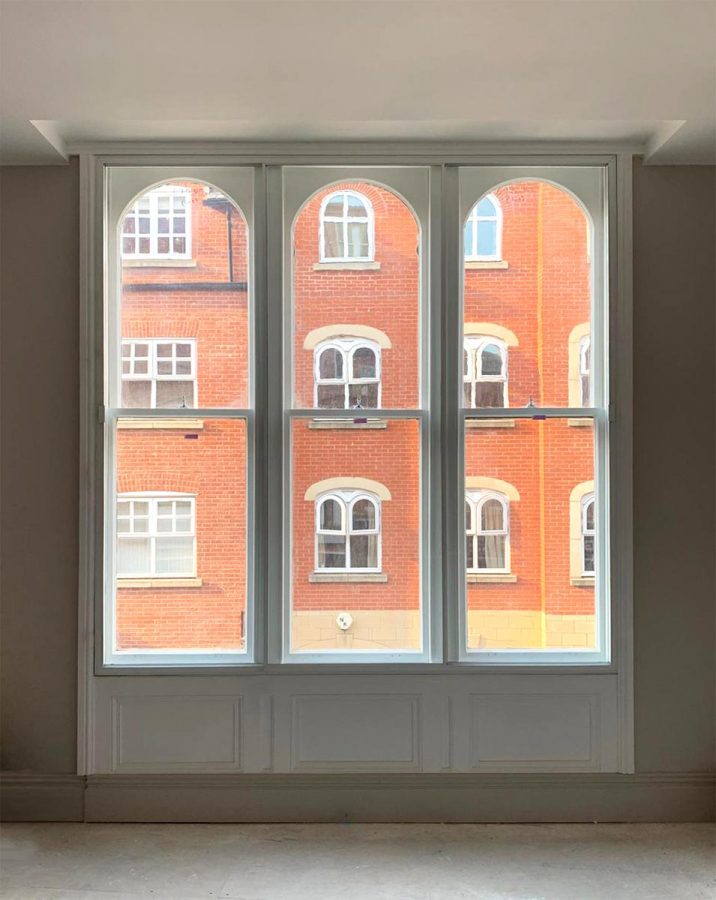
Secondary glazing can make a dramatic difference to comfort, noise levels and thermal performance without requiring original windows to be removed. By adding a discreet internal window behind the existing glazing, buildings can retain their character while gaining an additional barrier against sound and heat loss.
Key Takeaways
Secondary glazing can:
- Reduce outside noise
- Improve insulation for older or draughty windows
- Preserve original windows in historic buildings
- Be tailored to unusual shapes, finishes and opening styles
What Is Secondary Glazing?
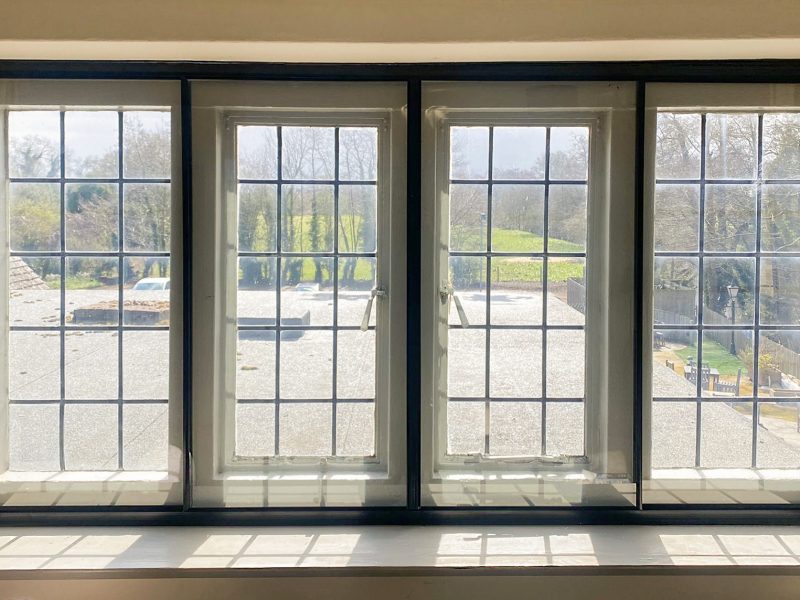
Secondary glazing is an independent internal window installed behind an existing primary window. The air gap between the two windows improves acoustic and thermal performance while leaving the external appearance largely unchanged. Our Incarnation secondary glazing uses slim aluminium profiles; its low-profile design can sit subtly within any room, making it suitable for projects where appearance matters as much as performance. Because the existing window remains in place, secondary glazing can be valuable where planning conditions, architectural character or budget affect whether replacement is appropriate.
How Can Secondary Glazing Reduce Noise?
Acoustic secondary glazing reduces noise by adding an additional glass barrier between the interior and the outside environment. The extra pane and the cavity between the windows help reduce the energy carried by sound waves.
Incarnation units can be specified with acoustic glass and acoustic foam technology, achieving noise reduction of up to 75%, equivalent to up to 45dB. Actual results depend on the original window, specification, installation and source of the noise. For the strongest acoustic performance, we recommend a 100–150mm gap between the primary window and secondary glazing. This makes Incarnation useful for properties near roads, railways, schools, hospitality venues or other busy surroundings.
Does Secondary Glazing Improve Insulation?
Secondary glazing improves insulation by creating a second barrier that limits heat escaping through an older window. The additional glazing can also reduce draughts and make indoor temperatures more consistent. Incarnation secondary glazing is available with thermal glass options, including Pilkington K Glass. Low-emissivity glass allows daylight and solar warmth to enter while reflecting more heat into the room.
The exact improvement depends on the property and specification, so secondary glazing cannot guarantee a fixed reduction in energy bills. Carefully designed secondary glazing can nevertheless improve the comfort and thermal performance of older windows.
Why Is Secondary Glazing Valuable for Historic Buildings?
Secondary glazing can improve historic windows while preserving the features that give a building its character. The unit is installed internally, allowing the original exterior window to remain in place.
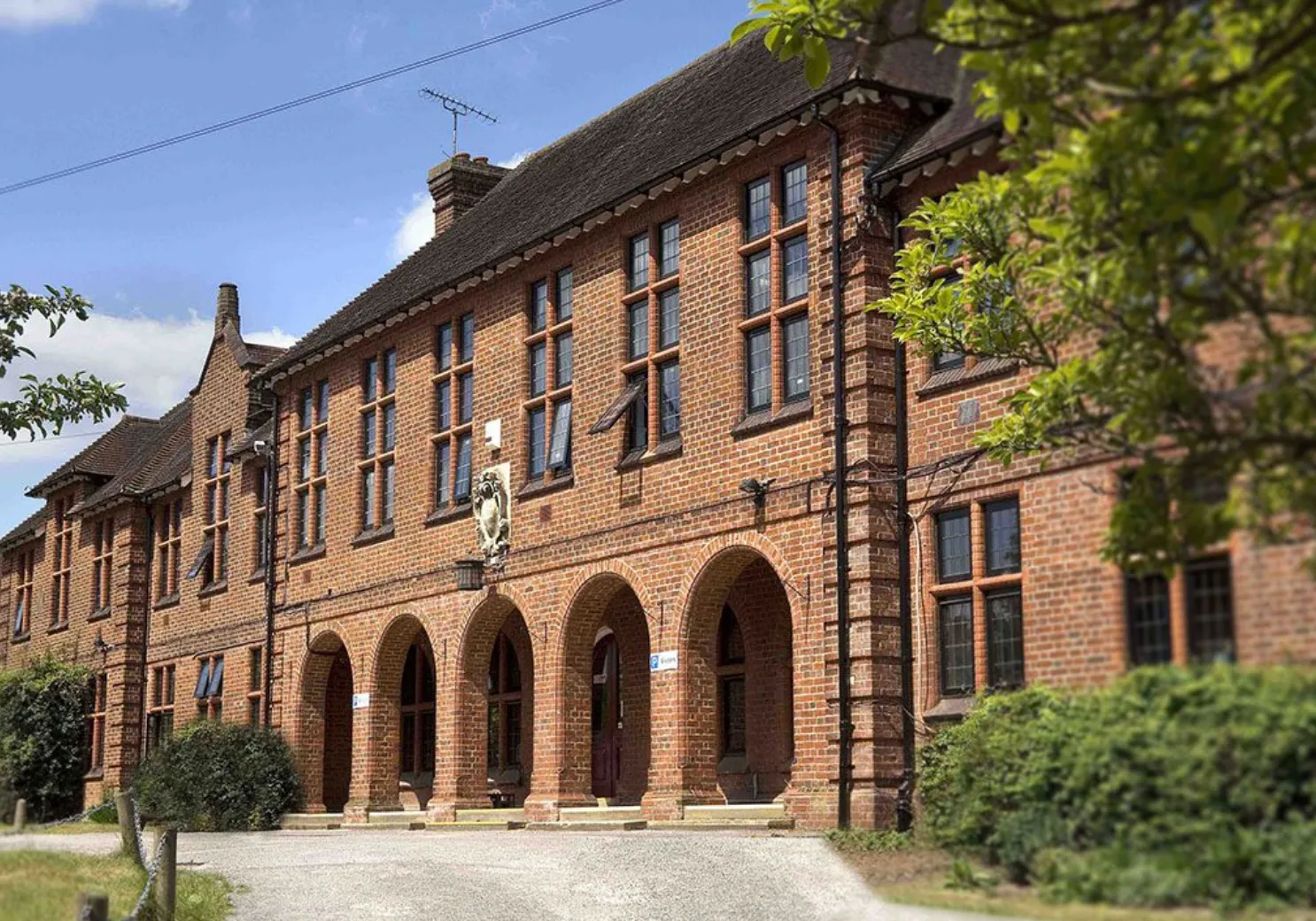
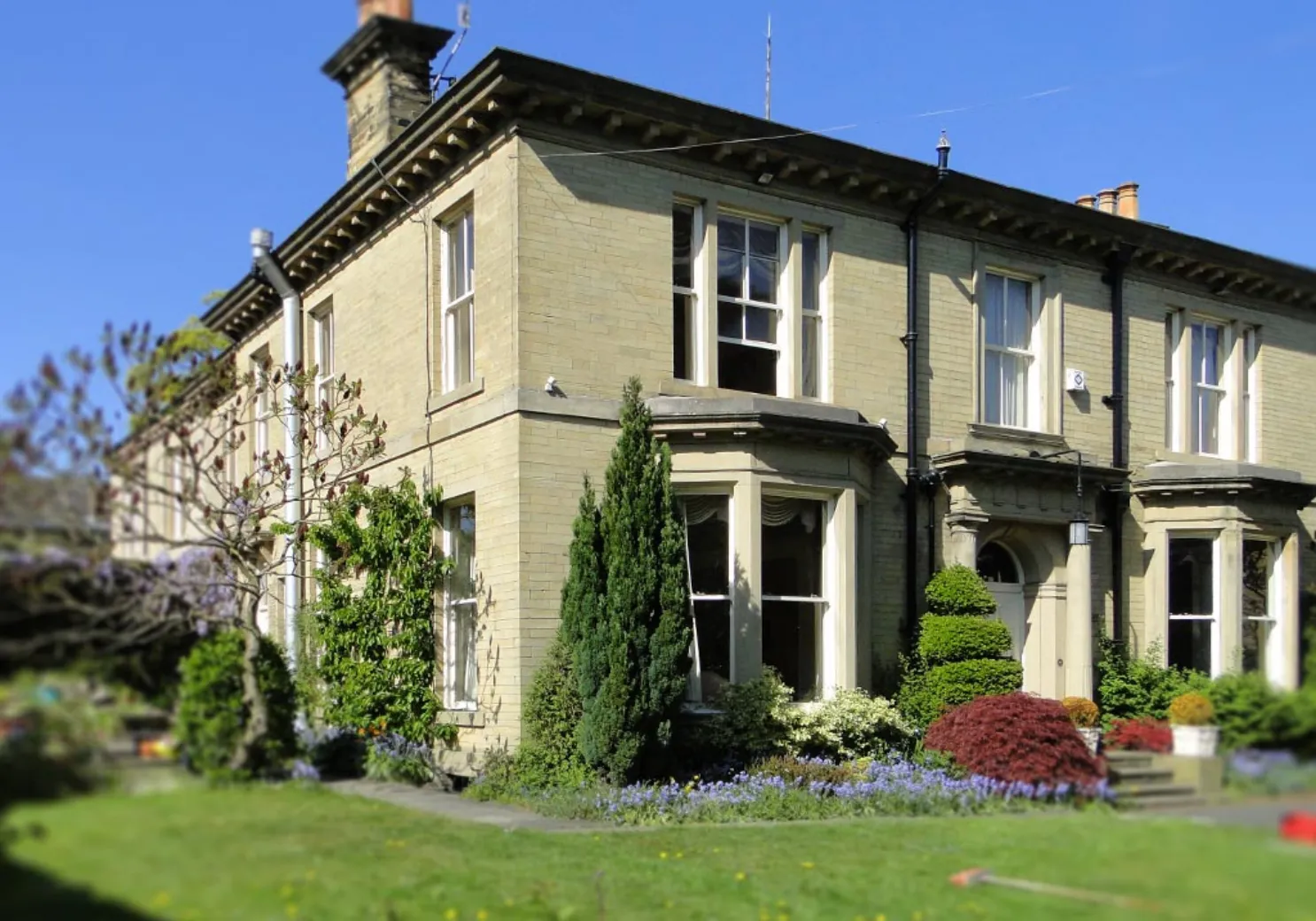
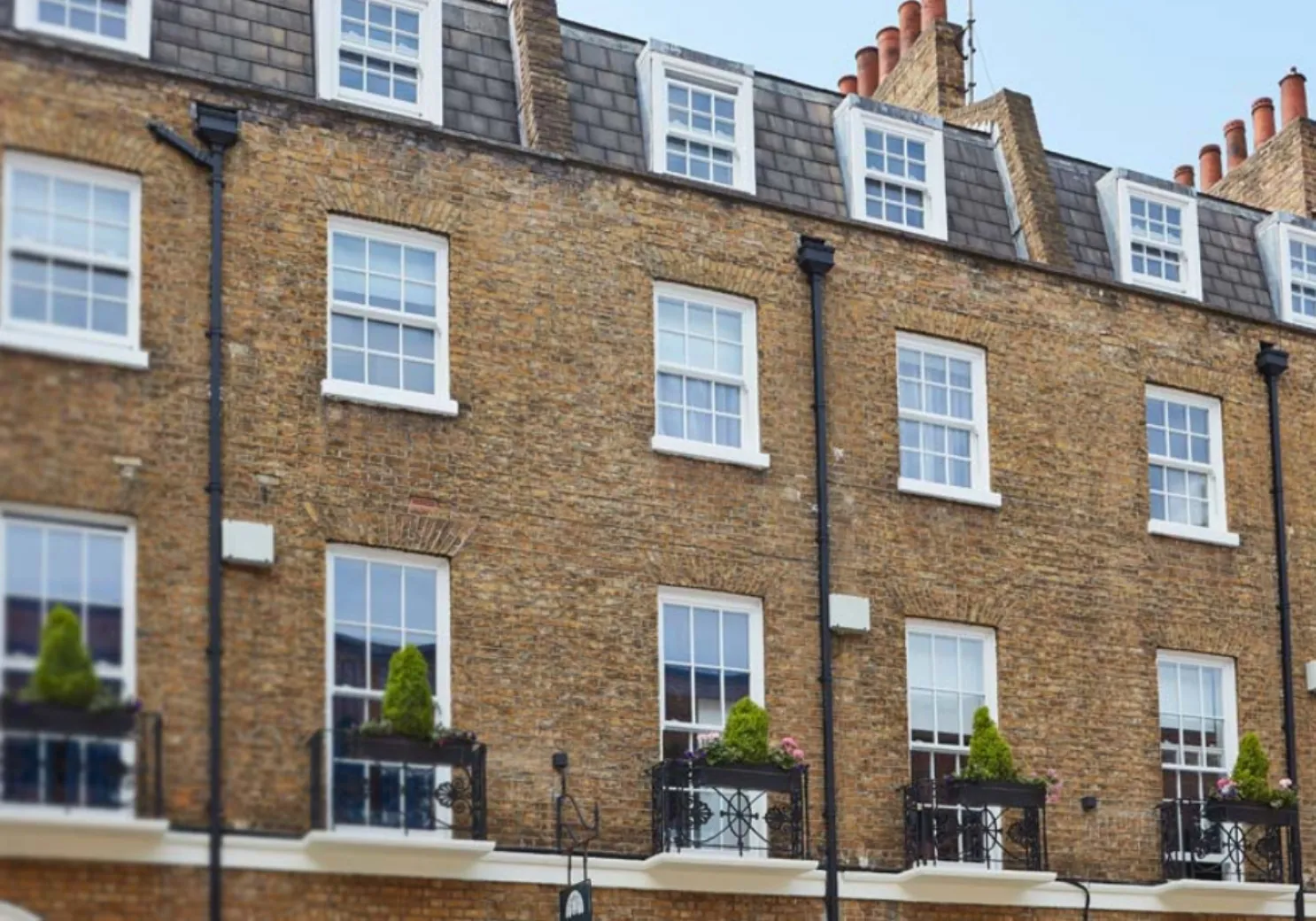
Historic England recommends carefully designed secondary glazing as one way to improve traditional windows. This approach can suit listed buildings, conservation projects and façades where replacement may be restricted or inappropriate. Requirements vary, so building owners and project teams should check proposals with the relevant local planning authority or conservation officer before work begins.
Which Secondary Glazing Configuration Is Best?
The right configuration depends on the shape, operation and access requirements of the original window.
| Existing window or requirement | Suitable configuration |
| Traditional sash window | Vertical slider |
| Wide window opening | Two- or three-part horizontal slider |
| No regular access needed | Fixed unit |
| Occasional full access required | Lift-out unit |
| Casement-style access or internal opening windows | Side-hung unit |
| Arched or unusual opening | Bespoke shaped unit |
Incarnation units can also be stacked or coupled for complex arrangements. Shaped and arched units are manufactured from templates to suit individual apertures.
Can Secondary Glazing Match the Interior?
Bespoke secondary glazing can complement the surrounding interior rather than look like an afterthought. Incarnation is available in standard white, brown, black, plus any RAL colour. Optional hardwood subframes can help the unit integrate with existing timber surrounds or decorative details. Toughened, thermal, clear and patterned glass options provide further control over performance and appearance. Incarnation units arrive pre-assembled with discreet furniture, helping installers achieve a neat, professional result.
Make a Massive Impact with Incarnation Secondary Glazing
Secondary glazing can make a massive impact where noise, heat loss or heritage restrictions make existing windows difficult to improve. Choosing Incarnation secondary glazing can enhance comfort and performance while preserving the building’s original appearance.
Incarnation secondary glazing is suitable for residential, commercial, education and hospitality projects, with bespoke configurations available for many window styles. Contact us today to discuss a specification, request product information or explore secondary glazing for an upcoming project.